
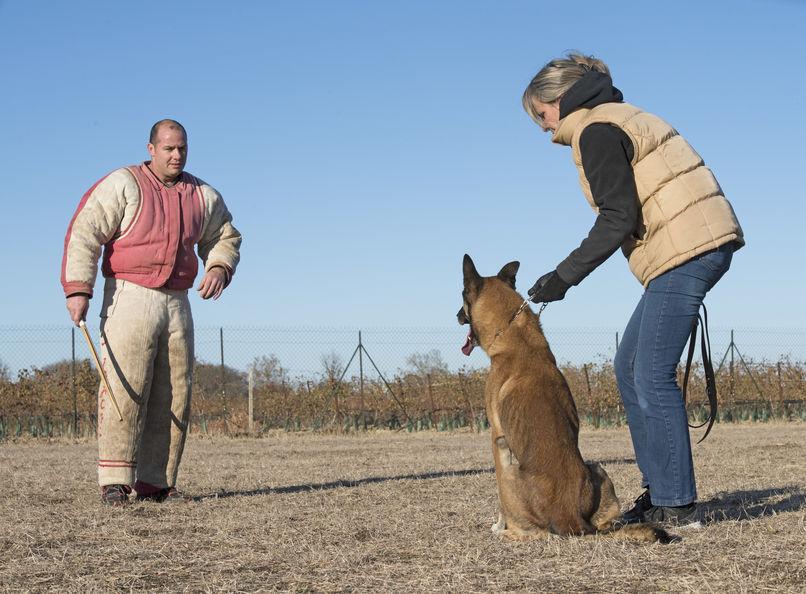
Graduating from Dog Trainer College is an important step for anyone who wants to work with dogs professionally, not casually. A structured education opens doors to career paths that require real skill, consistency, and accountability. Whether your goal is to work with law enforcement, specialize in detection work, or build a professional training career, formal education gives you a strong foundation to move forward with confidence.
Below are some of the most common career paths graduates pursue after completing Dog Trainer College.
Professional Dog Trainer
Many graduates go on to work as professional dog trainers, either independently or with established training facilities. This role focuses on applying proven training methods, understanding canine behavior, and working with dogs in controlled, goal-driven environments.
Professional trainers often work with kennels, breeders, training organizations, or private clients who expect consistent results. Having a formal education behind you helps build credibility and sets you apart from trainers who rely only on informal experience.
Police K9 Trainer
Police K9 training is one of the most demanding and respected career paths in the industry. Trainers in this field work with law enforcement agencies to prepare dogs for patrol work, apprehension, and advanced detection tasks.
This role requires a strong understanding of obedience, scent work, environmental exposure, and handler communication. Because police K9s are deployed in real-world situations, agencies look for trainers with structured education and hands-on experience.
Detection Dog Trainer
Detection dog training continues to grow in demand. Graduates may work with dogs trained to detect narcotics, explosives, cadaver remains, or electronic media storage devices.
Detection dog trainers are often employed by law enforcement agencies, private security firms, or specialized training organizations. This work requires precision and consistency, along with a deep understanding of scent detection principles. A formal education is especially important in this field, where accuracy and reliability matter.
Working Dog Sales and Placement
Some graduates pursue careers in working dog sales and placement. This role involves evaluating dogs, overseeing training progress, and matching dogs with agencies or organizations that need specific skills.
Professionals in this area must understand both training standards and the operational needs of police departments or private clients. It is a career path that combines hands-on dog work with industry knowledge and business awareness.
Kennel or Training Facility Leadership
Graduates may also move into leadership roles within kennels or training facilities. These positions involve managing training programs, overseeing staff, maintaining standards, and ensuring the health and performance of working dogs.
A structured education helps prepare graduates for these responsibilities by teaching systems, consistency, and professional best practices.
Building a Long-Term Dog Training Career
Dog Trainer College is designed for people who want to turn education into a career, not a side interest. Graduates leave prepared to work in professional environments where training quality and reliability matter.
If you are ready to pursue a serious career in dog training, working dogs, or detection programs, Dog Trainer College offers in-person and online programs built to prepare students for real-world success.
Take the next step toward a professional dog training career by completing our online application. For more information, call us at (800)795-4201 or complete our contact form.